
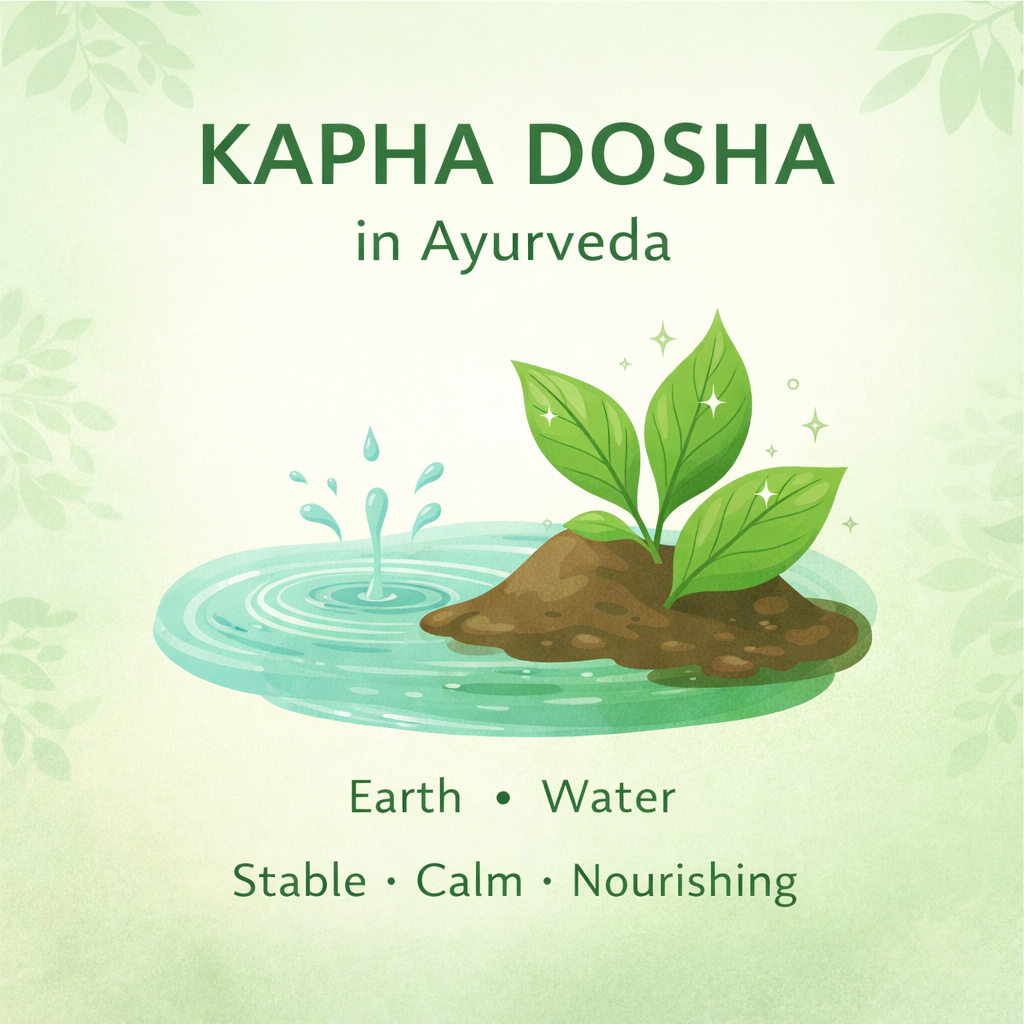
Ayurveda, the ancient system of natural healing, explains that health depends on the balance of three energies—Vata, Pitta, and Kapha. Kapha dosha is formed from the earth and water elements, giving the body structure, stability, and nourishment. It is responsible for maintaining strength, lubrication, and emotional calmness.
When Kapha is balanced, a person feels steady, strong, and peaceful. However, excess Kapha can lead to heaviness and sluggishness. Understanding its qualities and attributes helps in maintaining balance naturally.
What is Kapha Dosha?
Kapha governs the physical structure of the body and keeps tissues well-nourished and hydrated. It provides stability to joints, supports immunity, and maintains endurance. This dosha acts as a grounding force, helping the body stay calm and balanced.
Qualities and Attributes of Kapha
Kapha is described as heavy, slow, cold, oily, smooth, dense, soft, and stable. These qualities directly influence the body and mind:
- Heaviness: leads to a strong, well-built body with good endurance
- Slowness: results in slow digestion and a relaxed pace of activity
- Coldness: creates a preference for warmth and sensitivity to cold environments
- Oiliness: gives soft, smooth, and well-moisturized skin
- Smoothness: supports healthy joints and gentle movements
- Density: contributes to a solid body structure and firmness
- Softness: results in a calm nature and gentle physical features
- Stability: creates emotional balance, patience, and consistency
These combined qualities make Kapha individuals naturally resilient, calm, and nurturing.
Characteristics of Kapha Individuals
People with dominant Kapha dosha often display both physical strength and emotional stability.
Physical Traits
They usually have a solid body frame, smooth and glowing skin, thick hair, and good stamina. Their metabolism tends to be slower, which allows them to conserve energy efficiently.
Mental Traits
Kapha individuals are calm, patient, and compassionate. They are loyal in relationships and prefer a stable routine. Their steady nature makes them reliable and supportive.
⚠️ Signs of Kapha Imbalance
When Kapha becomes excessive, its heavy and slow qualities increase, leading to imbalance. Common signs include:
- Weight gain
- Feeling heavy or tired
- Excess mucus or congestion
- Slow digestion
- Lack of motivation
- Mental dullness
Recognizing these signs early helps prevent long-term health concerns.
Diet for Kapha Balance
Diet plays a key role in managing Kapha. To balance its heavy and slow qualities, food should be light, warm, and stimulating.
Recommended Foods
Fresh vegetables, fruits like apples and berries, legumes, and light grains such as barley or quinoa are beneficial. Spices like ginger, turmeric, and cinnamon help improve digestion and reduce heaviness.
Foods to Limit
Heavy, oily, and cold foods such as dairy, fried items, and sugary products should be minimized. These can increase Kapha and slow down metabolism further.
Choosing warm meals and eating in moderation supports better balance.
Lifestyle Tips for Kapha Balance
An active lifestyle is essential to counter Kapha’s slow and heavy nature.
- Engage in regular exercise such as walking, yoga, or cardio
- Wake up early to avoid sluggishness
- Maintain a consistent daily routine
- Stay mentally active by trying new activities
- Movement and variety help prevent stagnation and keep energy levels high.
Seasonal Awareness
Kapha tends to increase during the spring season, often causing congestion and heaviness. During this time, focus on lighter foods, increased activity, and avoiding cold or heavy meals to maintain balance.
Final Thoughts
Kapha dosha provides the body with strength, stability, and calmness. Its qualities support long-term health when balanced, but excess can lead to sluggishness. By incorporating light foods, regular movement, and mindful habits, you can maintain Kapha balance and support overall well-being through Ayurveda.

Leave a Reply to Darshan Cancel reply